Spain – Woven Woolen Fabrics – Market Analysis, Forecast, Size, Trends and Insights
Original price was: $2,400.00.$1,580.27Current price is: $1,580.27.
Description
This report provides an in-depth analysis of the Woven Woolen Fabrics market in Spain, covering market size, growth trajectory, demand structure, supply capability, trade flows, pricing, competitive landscape, and forecast to 2035.
The study is designed for manufacturers, distributors, importers, exporters, investors, procurement teams, advisors, and strategy teams that need a consistent,>
Product Coverage
Woven woolen fabrics made from carded or combed wool, fine animal hair, or coarse animal hair, classified under HS codes 5111 and 5112.
Included
- Woven fabrics of carded wool or carded fine animal hair
- Woven fabrics of combed wool or combed fine animal hair
- Woven fabrics of coarse animal hair
- Unbleached, bleached, dyed, yarn-dyed, or printed woven woolen fabrics
- Woven woolen fabrics for apparel, upholstery, or industrial use
Excluded
- Knitted or crocheted woolen fabrics
- Nonwoven woolen felts
- Woolen yarns or threads
- Finished garments or textile articles made from woven woolen fabrics
- Woven fabrics of synthetic or artificial filaments or fibers
Report Coverage and Analytical Modules
The report combines the standard market-statistics backbone with strategic chapters that are useful for commercial planning, sourcing decisions, market entry, competitor monitoring, and portfolio prioritization.
- Market size, historical development, and forecast to 2035
- Demand architecture by application, customer group, and buyer behavior
- Supply structure, production role where applicable, sourcing, and value-chain constraints
- Exports, imports, trade balance, import dependence, and key trade corridors
- Price levels, price corridors, specification effects, and commercial pricing logic
- Competitive landscape, company presence, product portfolio focus, and strategic positioning
- Country profiles for world and regional reports, with production role stated only where relevant
Segmentation Framework
The market is segmented into decision-relevant buckets so that demand drivers, pricing logic, supply constraints, and competitive positions can be compared across the same analytical frame.
- By type: Carded wool woven fabrics, Combed wool woven fabrics, Coarse animal hair woven fabrics, Unbleached woven woolen fabrics, Bleached woven woolen fabrics, Dyed woven woolen fabrics, Yarn-dyed woven woolen fabrics, Printed woven woolen fabrics
- By application: Apparel fabrics, Upholstery fabrics, Industrial textile fabrics, Blanket and throw fabrics, Uniform and suiting fabrics
- By value-chain position: Textile mill manufacturing, Fabric finishing and processing, Wholesale fabric distribution, Garment and textile product manufacturing
Classification Coverage
The statistical framework uses HS 5111, 5112. The analytical product boundary above governs the scope; no broader product is included solely because it shares a customs heading.
HS Codes (framework)
- 5111
- 5112
Geographic Coverage
Coverage focuses on Spain and includes demand, supply capability where present, trade flows, pricing, competition, and outlook.
Data Coverage
- Historical data: 2012-2025
- Forecast data: 2026-2035
- Market indicators: value, volume, consumption, production where available, exports, imports, prices, and company landscape
Units of Measure
- Volume: product-appropriate physical units used by the underlying statistical series
- Value: USD
- Prices: USD per product-appropriate unit
Methodology
The report combines official statistics, trade records, company disclosures, product-level evidence, and analyst validation. Data are standardized, reconciled, and cross-checked to keep market sizing, trade flows, pricing, and forecasts comparable across countries and time periods.
- International trade data, including exports, imports, and mirror statistics
- National production, consumption, and industry statistics where available
- Company-level information from public filings, product portfolios, and disclosed operating footprints
- Price series, unit-value benchmarks, and specification-level price signals
- Analyst review, outlier checks, triangulation, and forecast-scenario validation
All indicators are mapped to a consistent product definition and reviewed against the segmentation framework used in the Table of Contents.
Related products
-
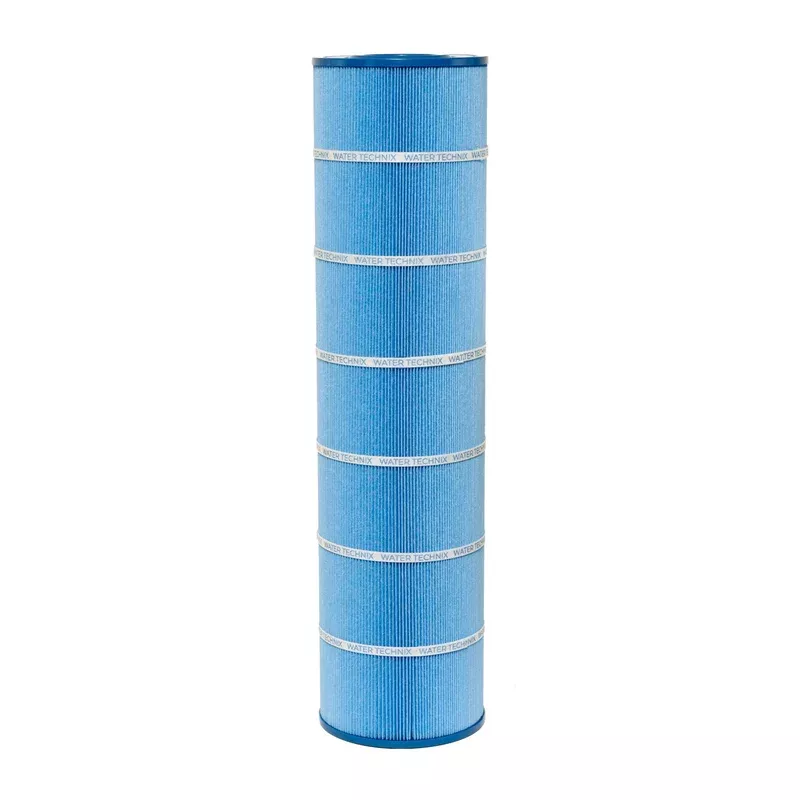
Zodiac Emaux CF150 ANTIBACTERIAL Water TechniX PRO Eclipse Pool Filter Cartridge
Original price was: $137.79.$95.64Current price is: $95.64. -
Norway – Woven Pile Fabrics and Chenille Fabrics – Market Analysis, Forecast, Size, Trends and Insights
Original price was: $2,400.00.$1,865.36Current price is: $1,865.36. -
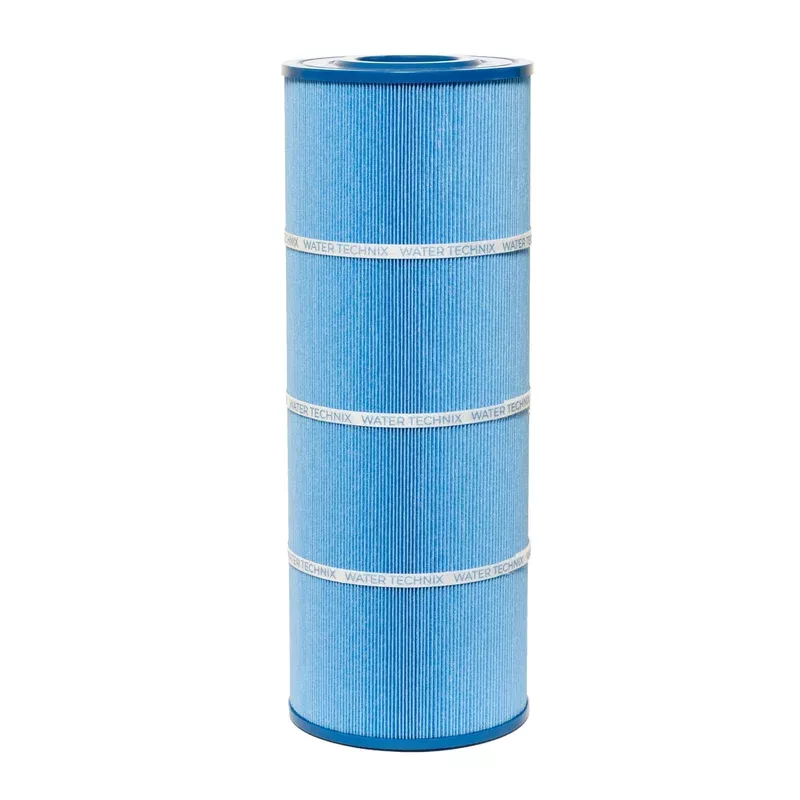
Quiptron Onga BR6000 ANTIBACTERIAL Pool Filter Cartridge – Water TechniX PRO Element
Original price was: $96.19.$56.51Current price is: $56.51. -
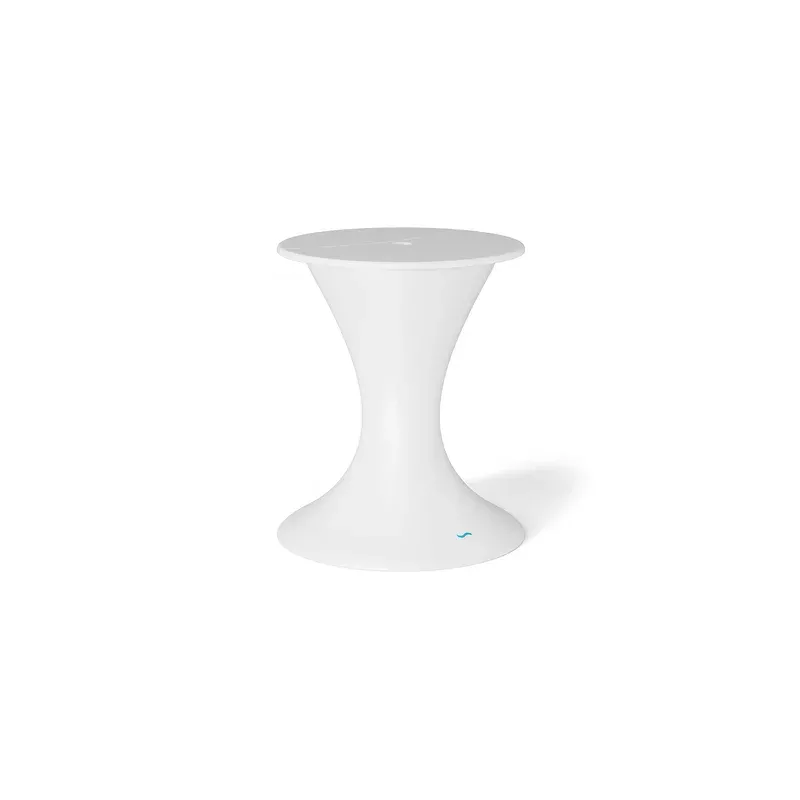
Autograph Umbrella Stand Ice Bin
Original price was: $719.40.$420.45Current price is: $420.45. -
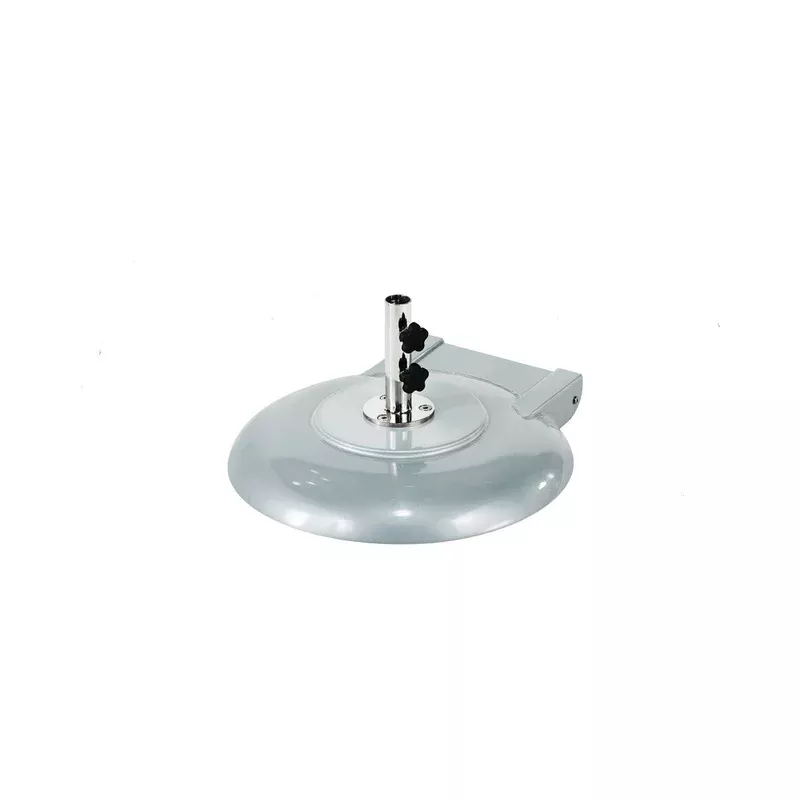
Aluminum Umbrella Base – 100 lbs
Original price was: $341.40.$227.61Current price is: $227.61. -
Water TechniX Pool Cleaner Hydro 4 / 3S – Track Tyre – 1 pcs
Original price was: $20.79.$12.51Current price is: $12.51. -
Water TechniX Pool Cleaner Hydro 3S / 4 – Hyper Fine 50 Micron Filter Basket Canister
Original price was: $129.99.$89.26Current price is: $89.26. -
Water TechniX Pool Cleaner Hydro 4 – Tether Cable 12m
Original price was: $233.99.$165.59Current price is: $165.59.