Belarus – Aluminium Bars, Rods and Profiles – Market Analysis, Forecast, Size, Trends and Insights
Original price was: $2,400.00.$1,455.58Current price is: $1,455.58.
Description
This report provides an in-depth analysis of the Aluminium Bars, Rods And Profiles market in Belarus, covering market size, growth trajectory, demand structure, supply capability, trade flows, pricing, competitive landscape, and forecast to 2035.
The study is designed for manufacturers, distributors, importers, exporters, investors, procurement teams, advisors, and strategy teams that need a consistent,>
Product Coverage
Aluminium bars, rods and profiles, including extruded, drawn, rolled, and forged forms, in various alloys and tempers, whether or not surface-treated, but excluding rods and profiles prepared for use in structures.
Included
- Extruded aluminium bars, rods and profiles
- Drawn aluminium bars and rods
- Rolled aluminium bars and rods
- Forged aluminium bars and profiles
- Aluminium alloy bars, rods and hollow profiles
- Aluminium profiles with surface treatment (anodized, painted, or coated)
Excluded
- Aluminium rods and profiles prepared for use in structures
- Aluminium wire
- Aluminium tubes and pipes
- Aluminium plates, sheets and strip
- Aluminium foil
- Aluminium powders and flakes
Report Coverage and Analytical Modules
The report combines the standard market-statistics backbone with strategic chapters that are useful for commercial planning, sourcing decisions, market entry, competitor monitoring, and portfolio prioritization.
- Market size, historical development, and forecast to 2035
- Demand architecture by application, customer group, and buyer behavior
- Supply structure, production role where applicable, sourcing, and value-chain constraints
- Exports, imports, trade balance, import dependence, and key trade corridors
- Price levels, price corridors, specification effects, and commercial pricing logic
- Competitive landscape, company presence, product portfolio focus, and strategic positioning
- Country profiles for world and regional reports, with production role stated only where relevant
Segmentation Framework
The market is segmented into decision-relevant buckets so that demand drivers, pricing logic, supply constraints, and competitive positions can be compared across the same analytical frame.
- By type: Extruded profiles, Drawn rods, Rolled bars, Forged profiles, Hollow profiles, Solid profiles
- By application: Construction and architectural framing, Transportation components, Machinery and equipment parts, Electrical conductors and busbars, Heat sinks and thermal management
- By value-chain position: Primary aluminium smelting, Extrusion and drawing manufacturing, Surface treatment and finishing, Distribution and trading, Fabrication and further processing
Classification Coverage
The statistical framework uses HS 7604. The analytical product boundary above governs the scope; no broader product is included solely because it shares a customs heading.
HS Codes (framework)
- 7604
Geographic Coverage
Coverage focuses on Belarus and includes demand, supply capability where present, trade flows, pricing, competition, and outlook.
Data Coverage
- Historical data: 2012-2025
- Forecast data: 2026-2035
- Market indicators: value, volume, consumption, production where available, exports, imports, prices, and company landscape
Units of Measure
- Volume: product-appropriate physical units used by the underlying statistical series
- Value: USD
- Prices: USD per product-appropriate unit
Methodology
The report combines official statistics, trade records, company disclosures, product-level evidence, and analyst validation. Data are standardized, reconciled, and cross-checked to keep market sizing, trade flows, pricing, and forecasts comparable across countries and time periods.
- International trade data, including exports, imports, and mirror statistics
- National production, consumption, and industry statistics where available
- Company-level information from public filings, product portfolios, and disclosed operating footprints
- Price series, unit-value benchmarks, and specification-level price signals
- Analyst review, outlier checks, triangulation, and forecast-scenario validation
All indicators are mapped to a consistent product definition and reviewed against the segmentation framework used in the Table of Contents.
Related products
-
Poland – Cadmium and Articles Thereof – Market Analysis, Forecast, Size, Trends and Insights
Original price was: $2,400.00.$1,813.33Current price is: $1,813.33. -
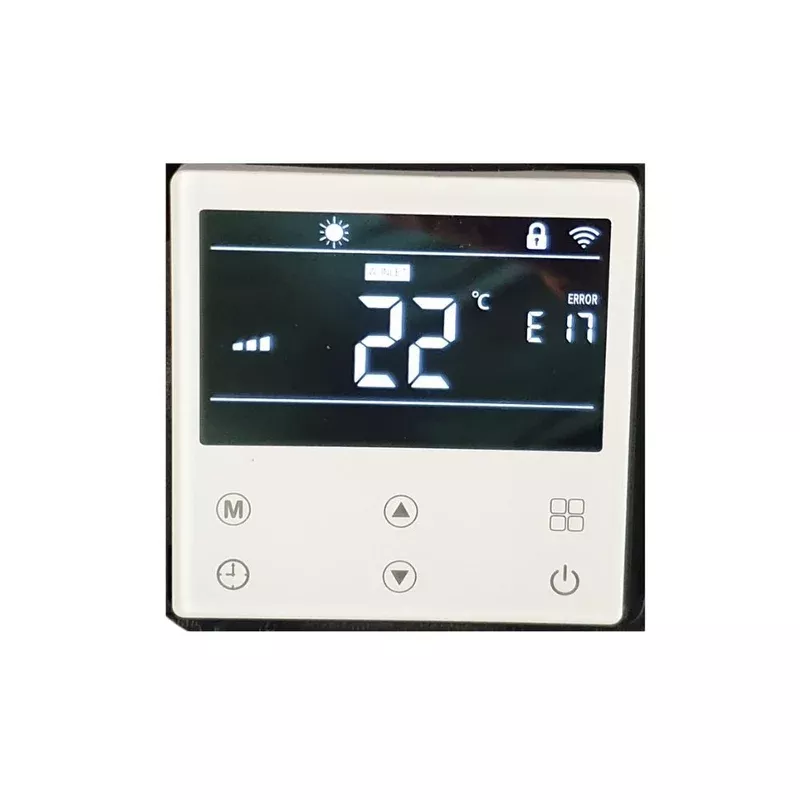
Water TechniX Pool Heater LCD Screen Controller V2 White – Paradise Series
Original price was: $103.99.$70.59Current price is: $70.59. -
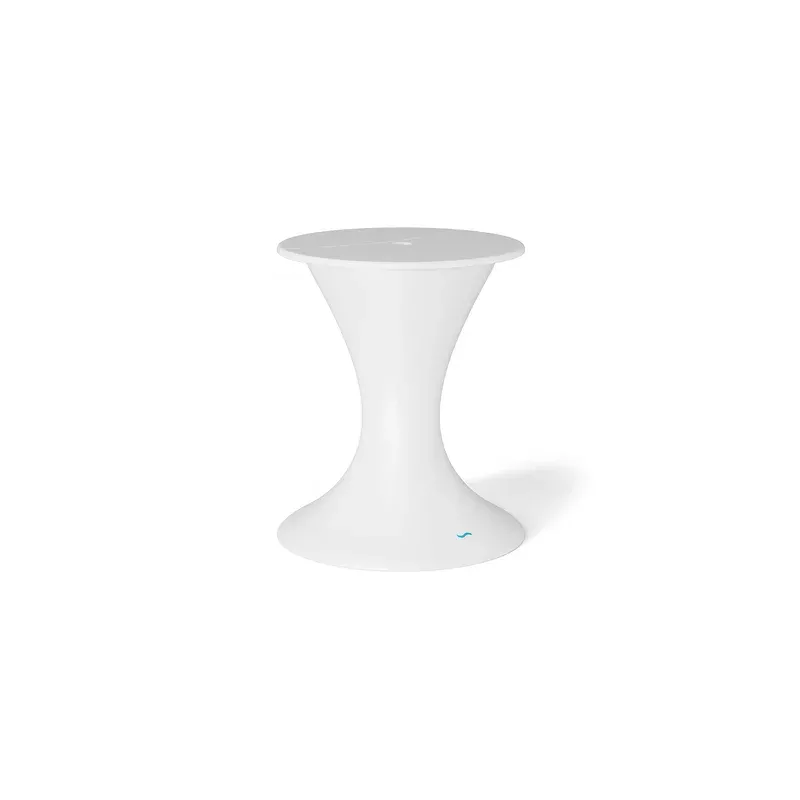
Autograph Umbrella Stand Ice Bin
Original price was: $719.40.$420.45Current price is: $420.45. -
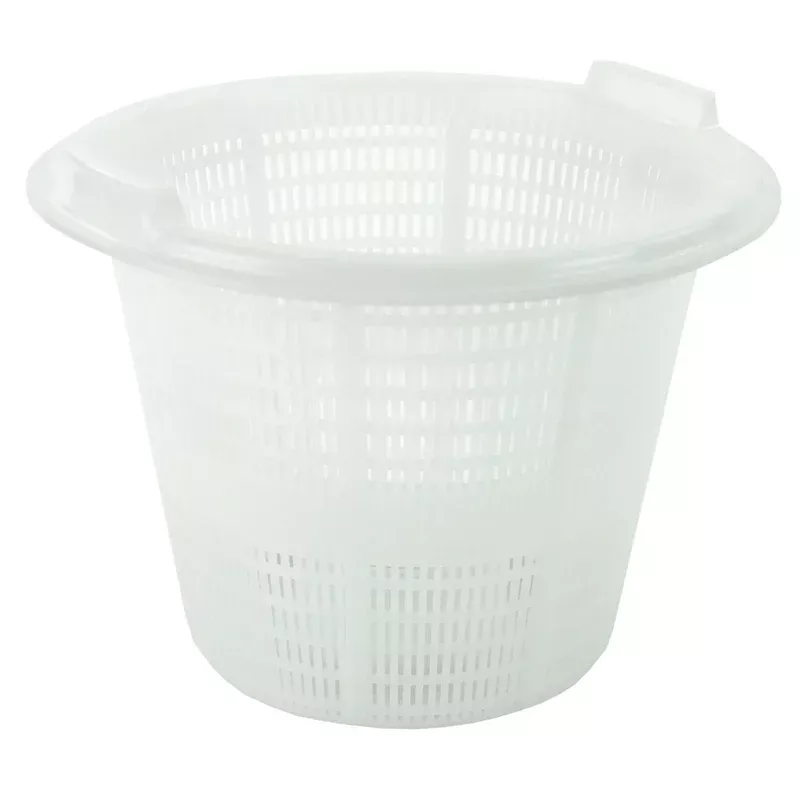
Poolrite Skimmer Basket S1800
Original price was: $15.59.$12.32Current price is: $12.32. -
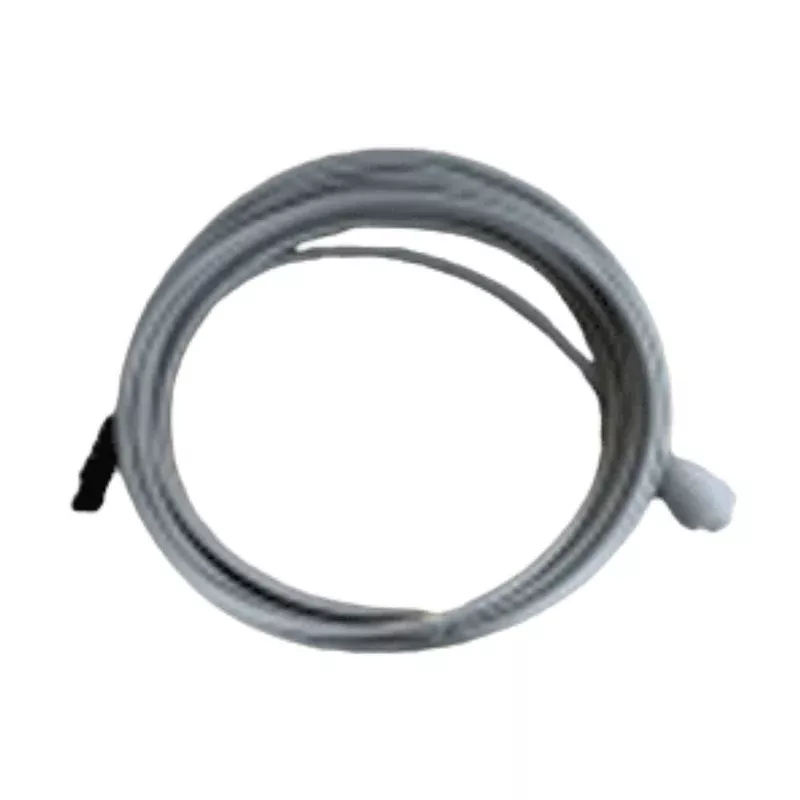
Water TechniX Pool Cleaner Hydro 4 – Tether Cable 12m
Original price was: $233.99.$165.59Current price is: $165.59. -
Norway – Unwrought Zinc – Market Analysis, Forecast, Size, Trends and Insights
Original price was: $2,400.00.$1,882.45Current price is: $1,882.45. -
Zodiac Emaux CF75 ANTIBACTERIAL Water TechniX PRO Pool Filter Cartridge
Original price was: $111.79.$58.97Current price is: $58.97. -
Quiptron Onga 696 ANTIBACTERIAL Pool Filter Cartridge – Water TechniX PRO Element
Original price was: $96.19.$53.34Current price is: $53.34.